A parent
They want a concrete piece of good news at dinner: the hands came up, the spine held, this week is a short exercise. The card fits on a phone and reads the first time.

Softball
Preview
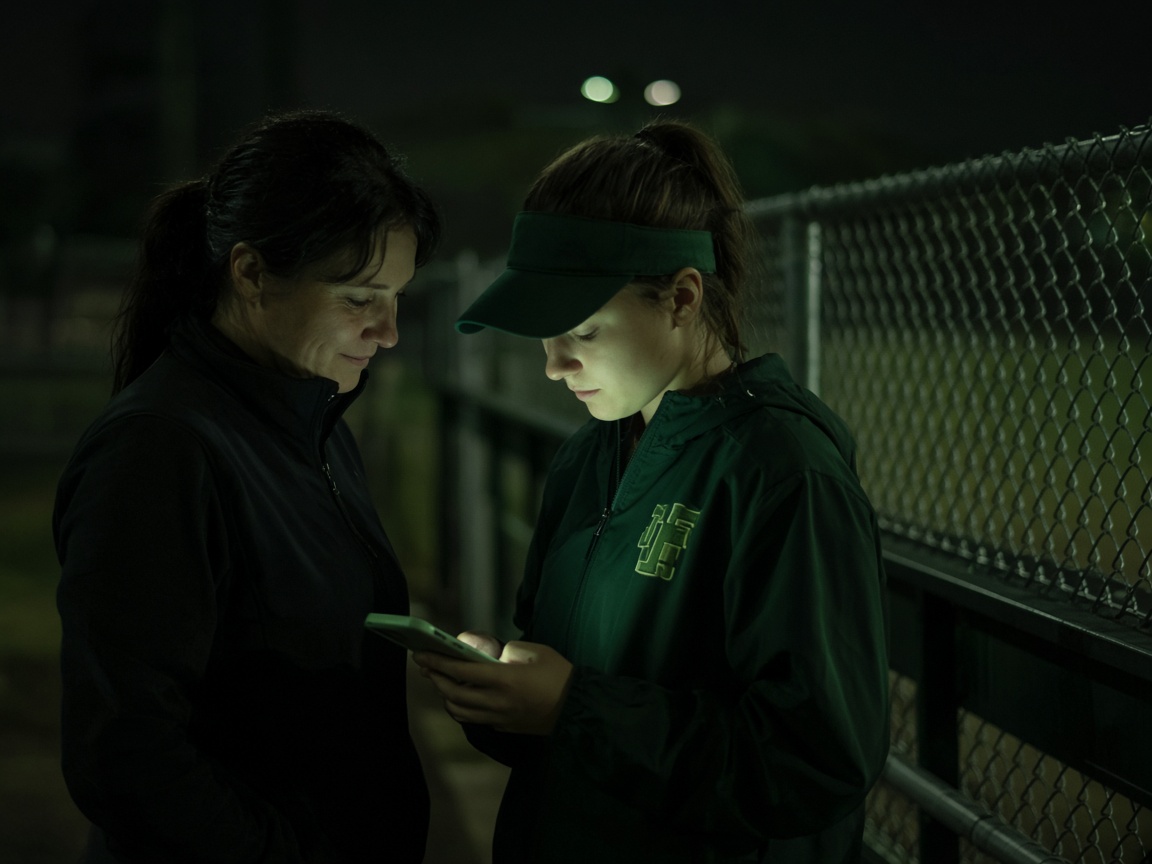
A parent films Tuesday’s swing. The coach opens that same video at home. Both see the same score, the same lights, and the same exercise for the next practice. No bat sensor. No lab appointment. The video they were already going to record.
When there are two moments — a month ago and today — puts them side by side. You see what moved forward, what held, and what still needs work. The player is compared with herself.
is for softball. Each age has its own target.
Open for comments
This version is in development. It is open for comments and improvements. Try a swing and tell us what should get clearer, fairer, or more useful.
Try FASTHIT
They want a concrete piece of good news at dinner: the hands came up, the spine held, this week is a short exercise. The card fits on a phone and reads the first time.
They arrive at practice with a plan. Twelve players, little time, and a clear read of each swing: what to celebrate and what to work. The family sees the same card.
A player, a relative, someone on the team. They upload a swing and get five plain signals, plus a score for the power of the movement.
1
It sums what gives the swing its force: hand speed, Factor X, and the spine.
2
Each one is On track, Getting there, or Needs work. Hands: how fast they arrive at contact for that age. Factor X: the twist between shoulders and hips. Spine: whether the torso stays steady at contact. Elbow: whether the back arm stays with the swing. Knee: whether the front leg stays stable.
3
Getting started, 6–10. Development, 11–15. Elite, 16 and up. A 12-year-old is not measured with an adult number. Reaching On track in one stage is the best start for the next.
4
Open a signal that is not on track. Inside, the card explains it and gives a short exercise for the next practice. If everything is on track, the card celebrates that too.
5
The video is scored once. A parent on a phone and a coach on a computer open the same result. Sending the file again does not change the score. The video stays on the phone that uploaded it.
6
Two videos of the same player, from different days. shows the score, the five signals, and what moved. “Hands went from Getting there to On track.” “The spine held.”
7
Each evaluation stays with its date, age, and score. The player’s path can be walked swing by swing.
fits the real week of a team. The practice video is enough. The family and the coach read the same card.
The usual way
An extra device or a lab
The practice video is enough
The usual way
Each adult reads the swing their own way
The same file opens the same card
The usual way
An 11-year-old is measured with adult numbers
The target grows with age
The usual way
The report describes, and stops there
Each signal brings an exercise for the next practice
The usual way
Progress means remembering the old video
Two videos, side by side, show what changed
The evaluation travels the same way to every screen. And the player can see herself move forward, swing against swing, in the same reading.

If the full body is not visible, says so calmly and asks for another recording. Only a swing it could read enters history, so the comparison stays fair.
walks with the coach. It is a practice guide, with plenty of encouragement and both feet on the ground. It reads the movement in the video so this week’s training can be better. If there is pain that does not ease, the path is a doctor. The card does not take that place.
Film the swing. Read the card. Practice the exercise. When the next swing arrives, compare it with this one and celebrate what moved forward.
Try FASTHIT